
Lifestyle that sells luxury real estate
A data-driven look at why luxury real estate marketing requires a buyer persona. Discover how lifestyle visualization and selling a dream maximize developer ROI.
Mayorfi
2/19/20262 min read
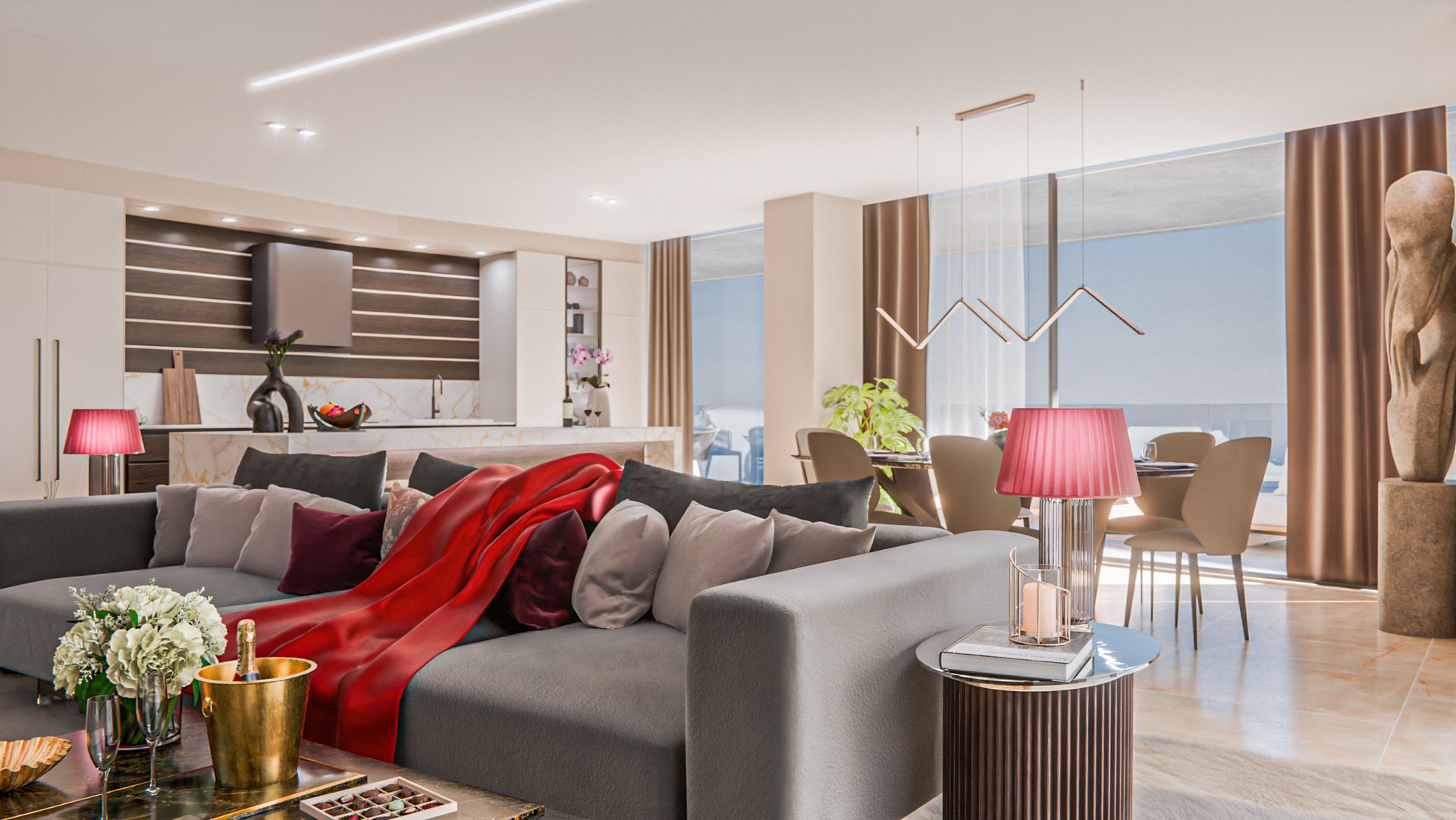
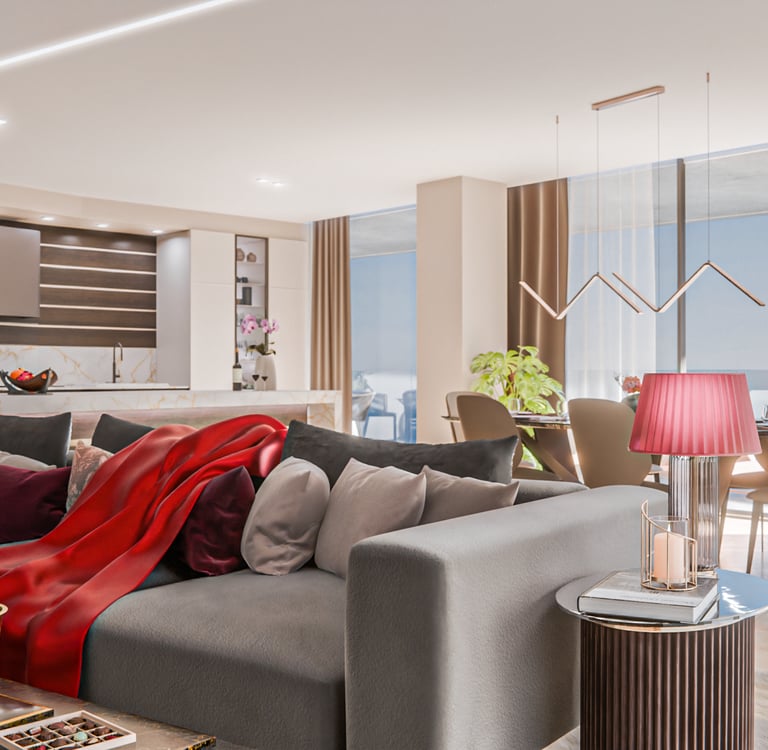
Lifestyle That Sells Luxury Real Estate: Why Data Beats Empty Walls
In the luxury real estate sector, you are never just selling a property. You are selling a status, an experience, and ultimately, a dream. Yet, developers consistently lose margins by presenting high-end buyers with sterile, empty architectural renders.
The data is clear: high-net-worth individuals do not make purchasing decisions based purely on floor plans or square footage. They buy into a lifestyle. Here is the data-driven reality of why defining a buyer persona and utilizing lifestyle visualization is the most profitable strategy in real estate marketing.
The Necessity of the Buyer Persona
You cannot effectively sell a dream if you do not know who is dreaming. In luxury marketing, a generic approach fails. Before a single 3D render is produced, developers must define a strict Buyer Persona.
Is the target demographic a young tech executive looking for a sleek, minimalist smart-home? Or is it a retiring couple seeking a warm, classic Mediterranean retreat?
Data shows that targeted marketing yields significantly higher conversion rates. By defining the persona, visualization studios can precisely tailor the virtual staging. We don't just put a generic sofa in a room; we curate specific art pieces, select the right designer furniture, and set the lighting to resonate specifically with that persona's aspirations.
The Data Behind the Dream
Selling the dream is not just a marketing cliché; it is a measurable financial strategy. The ROI of lifestyle visualization is backed by industry numbers:
Emotional Connection Drives Premium Pricing: Studies from the real estate staging sector indicate that properties presented with high-end, lifestyle-focused interiors consistently sell for 5% to 20% more than unfurnished, empty spaces. The buyer is paying a premium for the perceived lifestyle.
Reduced Time on Market (TOM): Staged properties—whether physically or virtually—spend up to 73% less time on the market. In luxury real estate, where carrying costs are astronomical, reducing TOM directly protects the developer's profit margin.
The 3-Second Rule: In the digital age, a listing has approximately three seconds to capture a buyer's attention. An image of a beautifully lit living room with a half-filled wine glass on the table tells an immediate story. An image of an empty room asks the buyer to do the work.
Visual Storytelling over Pure CGI
This is why pure technical CGI fails in the luxury market. A technically perfect 3D model of a room is useless if it feels dead.
At Mayorfi, we treat visualization as visual storytelling. Through advanced digital staging, cinematic lighting, and strategic composition, we build the lifestyle that your specific buyer persona desires. We create the emotional trigger that makes a buyer say, "This is exactly how I want to live."
The Bottom Line
Empty walls ask questions; lifestyle visualization provides answers. If you want to maximize the return on your luxury development, you must stop selling the architecture and start selling the dream.